

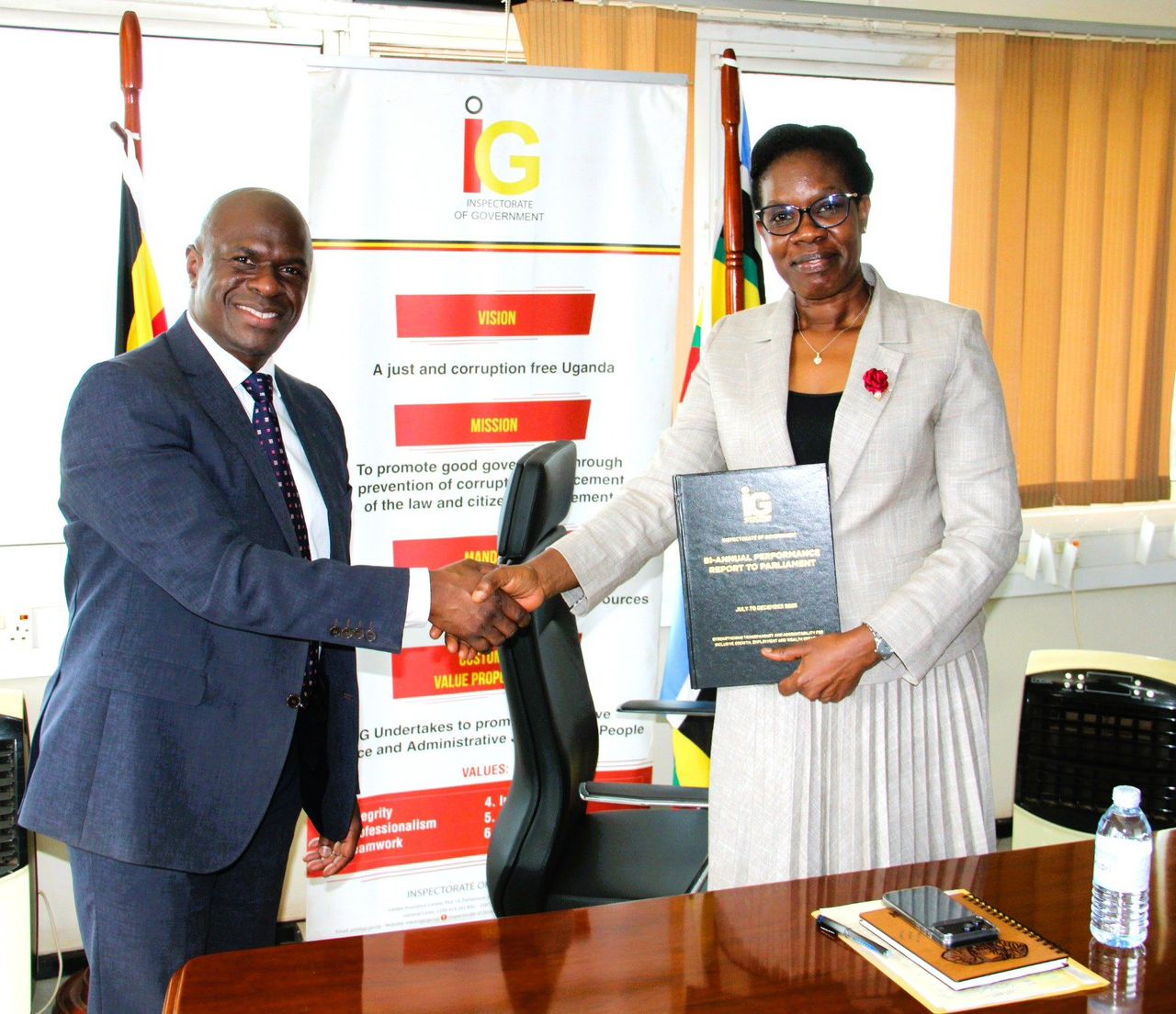
The Deputy Inspector General of Government (IGG), Dr. Patricia Achan Okiria, has called on African countries to strengthen regional cooperation, collaboration, and coordination in order to achieve meaningful and lasting progress in the fight against corruption.
Dr. Okiria emphasized that corruption is a cross-border challenge that cannot be effectively tackled through isolated national efforts, but requires a united and structured approach among states and institutions.
“Fighting corruption requires concerted efforts. Regional cooperation, collaboration and coordination. Only through such collective resolve can we overcome the invisible lines that divide us, lines which, if left unchallenged, risk undermining the very progress we strive to achieve,” she said.
According to Dr. Okiria, coordinated regional action is critical in closing escape routes used by corruption networks, improving intelligence sharing, enabling joint investigations, and strengthening asset recovery processes across jurisdictions.
She noted that such cooperation also plays a key role in disrupting organized corruption syndicates while promoting regional stability and economic development.
Regional frameworks, she added, allow
countries to exchange vital information on suspects, financial transactions, and criminal networks—strengthening the overall enforcement of accountability mechanisms.
Dr. Okiria made the remarks while meeting representatives from Transparency International chapters involved in the Stopping Impunity for Corruption through Enhanced Accountability (SICEA) project.
The initiative aims to build communities of practice across Africa to support anti-corruption reforms and strengthen accountability systems.
The delegation was on a learning visit focused on right-to-information management practices and governance transparency mechanisms.
Highlighting Uganda’s approach, Dr. Okiria pointed to the Inter Agency Forum (IAF), which brings together key anti-corruption institutions under an information-sharing strategy designed to ensure efficient, secure, and lawful data exchange.
She explained that the forum meets quarterly to review progress on ongoing cases handled by various institutions.
The IGG also participates in a tripartite coordination arrangement involving the Office of the Auditor General and the Office of the Director of Public Prosecutions (ODPP), where agencies share intelligence and coordinate case management.
“We work together and share information in respect to cases we are handling,” she said.
Dr. Okiria further stressed that the right to information is central to strengthening investigations, noting that it goes beyond access to documents and directly influences transparency, fairness, and effectiveness in anti-corruption work.
She reaffirmed that open information systems enhance accountability and improve the ability of institutions to detect and respond to corruption.
Speaking during the engagement, Paul Bunoba, Africa Regional Advisor at Transparency International, commended the IGG for its strong and innovative anti-corruption strategies.
He noted that Uganda’s information-sharing practices provide valuable lessons for other countries seeking to strengthen governance and eliminate corruption.
The SICEA project is currently being implemented in 11 African countries, including Uganda, Kenya, Rwanda, Ghana, South Africa, Zambia, and others, with the goal of strengthening accountability and reducing impunity for corruption across the continent.
